
 0
0
 0
0
Sustainable building design is becoming an important part of how homes, offices, and other buildings are planned and built. As more people become aware of energy use, waste, and the effects of construction on the environment, building owners and designers are looking for better ways to create comfortable spaces without using more resources than necessary. From solar panels and natural lighting to better building materials and smart use of space, sustainable design can help reduce environmental impact while also making buildings more comfortable and affordable to maintain.
What Is Sustainable Building Design?
Understanding Sustainable Building Design
Sustainable building design is an approach to planning, designing, and building structures in a way that reduces harm to the environment. It considers how a building uses energy and water, what materials are used, how much waste it creates, and how the building works with the surrounding environment.
Instead of focusing only on how a building looks, sustainable design looks at the entire life of the building. This includes the materials used during construction, the amount of energy needed to heat and cool the space, the way water is used, and how the building can continue to perform well over many years.
A sustainable building can also provide a more comfortable indoor environment. Good natural lighting, fresh air, proper insulation, and carefully planned spaces can make homes and workplaces more pleasant while helping reduce the need for artificial lighting and heating or cooling.
Main Goals of Sustainable Building Design
One of the main goals of sustainable building design is to use resources wisely. Buildings can require large amounts of energy and materials, so even small improvements can make a difference over time.
Some common goals include:
- Reducing energy use: Buildings can use less electricity through efficient lighting, appliances, heating, and cooling systems.
- Using renewable energy: Solar panels and other renewable energy systems can provide power without relying as heavily on traditional energy sources.
- Reducing waste: Reusing existing materials and choosing products that last longer can reduce construction waste.
- Saving water: Efficient plumbing fixtures, rainwater collection, and smart landscaping can lower water use.
- Improving indoor comfort: Natural light, fresh air, insulation, and good materials can create healthier and more comfortable spaces.
- Protecting the surrounding environment: Careful planning can help protect soil, plants, trees, and natural water flow.
Passive and Active Design
Sustainable buildings often use both passive and active design methods. Passive design uses the building’s layout and natural surroundings to improve comfort without depending heavily on machines or electrical systems.
For example, windows can be placed where they can bring in natural light and fresh air. Building orientation can also be planned to make better use of sunlight and shade. Proper insulation can help keep indoor temperatures more stable.
Active design uses equipment and systems that help the building save energy and resources. These may include energy-efficient air conditioning, LED lighting, efficient appliances, water-saving fixtures, and smart controls.
Using both approaches can help a building perform better while reducing energy costs.
Why Building Materials Matter
The materials used in a building can also affect its sustainability. Choosing durable materials can help a building last longer and reduce the need for frequent repairs or replacements.
Recycled or reused materials can also be considered when suitable for the project. Responsibly sourced wood, recycled metal, and other environmentally friendly products may help reduce the amount of new resources needed for construction.
The quality of materials also matters indoors. Some lower-quality products can release chemicals into the air. Choosing better materials can help support good indoor air quality and create a more comfortable living or working environment.
8 Sustainable Building Design Practices
1. Make Better Use of Natural Light
Natural light is one of the simplest ways to reduce the need for artificial lighting during the day. Windows, skylights, and open layouts can help sunlight reach more areas of a building.
The position and size of windows should be planned carefully. Too much direct sunlight can make a room too warm, while too little light can make the space dark and uncomfortable. Using shades, overhangs, trees, and other features can help control sunlight while still allowing natural light inside.
2. Improve Natural Ventilation
Natural ventilation allows fresh outdoor air to move through a building. Well-placed windows, vents, and openings can help remove warm and stale air while bringing in cooler air.
This can reduce the need to use air conditioning all the time, especially when outdoor conditions are comfortable. Good ventilation can also improve indoor comfort and help maintain better air quality.
3. Use Space Wisely
A well-planned building does not need to be unnecessarily large. Efficient use of space can reduce the amount of materials needed during construction and lower the amount of energy needed to heat or cool unused areas.
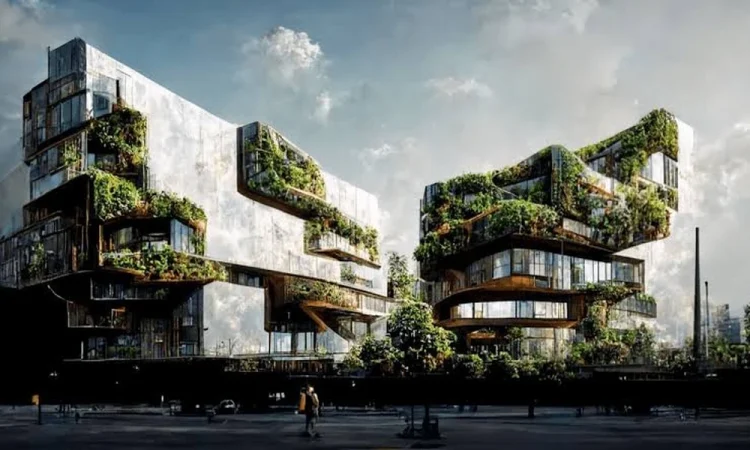
Rooms can be designed to serve more than one purpose. Outdoor areas such as rooftops, balconies, and terraces can also be planned carefully instead of leaving them unused. Green roofs and planted areas can provide additional benefits by adding greenery and helping reduce heat around a building.
4. Manage Rainwater Properly
Rainwater management is another important part of sustainable building design. Large areas of concrete and other hard surfaces can prevent rain from naturally entering the ground. This can increase water runoff and place extra pressure on streets and drainage systems.
Features such as permeable pavement, rain gardens, collection systems, and planted areas can help manage rainwater. These methods allow more water to stay on the property and return to the soil naturally.
5. Add Renewable Energy
Renewable energy can help buildings reduce their dependence on traditional power sources. Solar panels are one of the most common options for homes and commercial properties.
The amount of energy a solar system can provide depends on factors such as the building’s location, roof design, sunlight, and energy needs. When renewable energy is combined with good insulation, efficient appliances, and other energy-saving features, a building can use energy more efficiently.
6. Choose Durable and Responsible Materials
Selecting the right construction materials is important for both sustainability and long-term building performance. Durable materials can reduce the need for frequent replacement and repairs.
Whenever possible, designers can consider recycled, reused, locally available, or responsibly produced materials. The goal is not simply to choose a material because it is called “green.” Its durability, production, transportation, maintenance, and overall use should also be considered.
7. Work With Nature
A building does not have to work against its natural surroundings. Trees, plants, and other landscaping features can be used to provide shade, reduce heat, and support better water management.
Native plants can be especially useful because they are already suited to the local climate and may require less water and maintenance. Trees can also provide shade around windows and outdoor areas, helping reduce heat during warmer parts of the day.
8. Reuse Existing Buildings
Building something new is not always the only option. Reusing an existing structure can be a practical way to reduce waste and make better use of materials that are already available.
Older buildings can often be improved through better insulation, energy-efficient windows, modern lighting, efficient appliances, and updated heating or cooling systems. This approach can give an existing building a new purpose while reducing the need for completely new construction.
The Benefits of Sustainable Building Design
Sustainable building design can provide benefits beyond protecting the environment. Energy-efficient features can help lower utility costs, while durable materials can reduce maintenance and replacement expenses.
A well-designed building can also be more comfortable. Natural light can make rooms feel brighter, while proper ventilation and insulation can help maintain a comfortable indoor temperature. Good planning can also make better use of limited space.
For building owners, sustainable features may also make a property more attractive to people who value lower energy use, comfortable spaces, and responsible construction.
Why Sustainable Buildings Are Becoming More Important
Buildings have a major effect on how much energy and resources communities use. Every home, office, school, and commercial property needs materials, electricity, water, and maintenance. Because of this, improving the way buildings are designed can play an important role in reducing waste and energy use.
Sustainable building design does not mean that every building needs to use the same features. The right approach depends on the building’s location, purpose, budget, climate, and available resources.
What matters is making thoughtful choices from the beginning. A building can start with simple changes, such as improving insulation, adding natural light, choosing efficient appliances, or planting trees for shade. Larger projects may include renewable energy systems, rainwater management, green roofs, and major upgrades to existing structures.
As sustainable construction continues to grow, these practices can help create buildings that use resources more carefully while providing comfortable and useful spaces for the people who use them.