
 0
0
 0
0
Key Takeaways
Penile torsion is a congenital condition marked by the twisting of the penis’s shaft. It affects approximately 1 in 300 circumcisions, although exact prevalence figures remain somewhat elusive.
Genetic factors and anatomical anomalies, such as hypospadias, heighten the likelihood of developing penile torsion, underscoring the need for early awareness and diagnosis.
This condition often stems from improper tissue fusion during fetal development. While some cases may resolve without intervention, others necessitate surgical repair.
Common indicators of penile torsion encompass pain during erections, misalignment of the urinary opening, and visible twisting of the penis, which may prompt individuals to seek medical advice.
Timely medical attention is essential when symptoms like persistent pain arise, as delaying care could lead to complications that impact sexual health and body image.
Surgical repair is customized to address the patient’s unique needs, employing techniques to adjust or support the penile structures for effective correction.
After surgery, managing pain with medication and adhering to recovery protocols is vital. Typically, full recovery can take longer than two weeks, varying by individual circumstances.
What Causes Penile Torsion and How Common Is It?
Penile torsion disrupts the anatomical alignment of the penis, twisting its shaft relative to the body. The twist can lead to notable physical and psychological discomfort for those affected. Research indicates that it may occur in about 1 in 300 circumcisions, yet the precise prevalence remains somewhat vague.
Identifying the Risk Factors for Penile Torsion
Several elements can increase the chance of developing penile torsion. Genetic predisposition often plays a significant role, particularly in familial cases where several members may experience similar conditions. Moreover, individuals with specific anomalies such as hypospadias face a higher risk. Misalignments in the penile attachment to the body further complicate matters.
Yet, it’s crucial to recognize that while penile torsion might seem rare, awareness is paramount. Some may remain undiagnosed for extended periods, only discovering the problem when discomfort kicks in. Given these risk factors, educating oneself about penile torsion is essential for early detection.
Understanding the Developmental Aspects of Torsion
Experts believe that penile torsion primarily arises during fetal development, typically due to inadequate tissue fusion during the formation of the penile shaft. In some instances, the condition may resolve on its own. However, for many, surgical intervention becomes necessary to address complications. Additionally, conditions such as undescended testicles may accompany penile torsion, complicating both diagnosis and treatment.
Considering the developmental timeline, both gynecologists and pediatric urologists frequently recommend routine check-ups to monitor for irregularities. Vigilance during early childhood can facilitate prompt interventions when necessary.
Symptoms That Indicate Penile Torsion: What to Look For
Awareness of penile torsion symptoms is crucial for timely intervention. Initial signs might be subtle, but if left unmanaged, they can escalate. Symptoms often vary from cosmetic misalignment to severe discomfort during arousal or urination.
Recognizing Physical Signs of Torsion
Physical signs of penile torsion often present visibly. The positioning of the urinary opening can be affected, perhaps not aligned with the tip of the penis. Pain might arise during an erection or physical manipulation, causing significant distress. Some patients report that erections can exacerbate the condition, resulting in noticeable curvature.
- Pain during erection
- Distorted urinary opening
- Noticeable twisting of the shaft
Such symptoms can induce considerable anxiety. Consulting a urologist without delay can mitigate discomfort and facilitate timely interventions.
When Should Medical Attention Be Sought?
It’s essential to seek prompt medical advice when experiencing symptoms of penile torsion. Experts suggest pursuing evaluation when any combination of pain, discomfort, or aesthetic concerns arises. Delaying could lead to complications that might compromise one’s sexual health or self-perception.
Patients should ask themselves: Is the pain persistent? Does it disrupt daily life? When does mere discomfort become distress? Recognizing these cues can be instrumental in securing proactive care.
The Step-by-Step Process of Penile Torsion Repair Surgery
Surgery often stands as the most effective solution for addressing penile torsion. Professionals typically advocate a surgical approach adapted to the patient’s specific requirements, which may differ based on how severe the torsion is and any accompanying conditions.
Preparing for Surgery: What Patients Should Know
Preparation is fundamental for achieving a successful surgical outcome. Patients usually undergo comprehensive examinations, with imaging techniques like ultrasounds aiding in illustrating the condition’s seriousness. Typically, a brief fasting period is advised before surgery to reduce the risk of complications. This helps ensure the body is in optimal condition for the procedure.
While surgery can feel daunting, knowing what to anticipate may alleviate concerns:
- A consultation discussing risks and benefits
- Instructions regarding pre-operative medication
- Discussion of anesthesia options
Following these recommendations lays the foundation for a smoother surgical experience.
The Surgical Techniques Utilized for Optimal Results
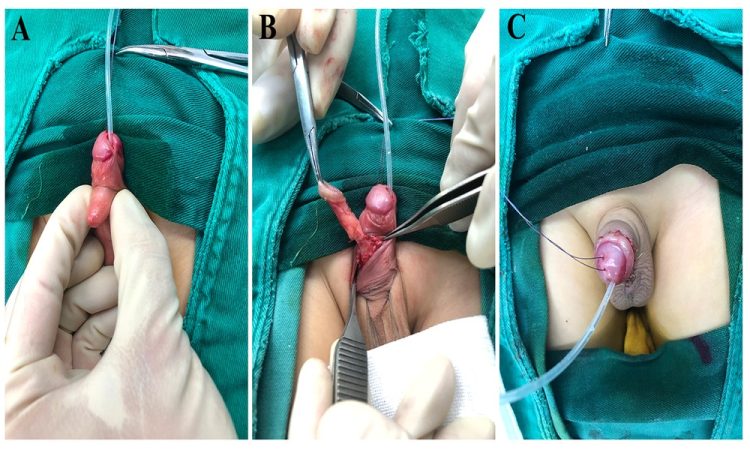
Multiple surgical techniques exist for correcting penile torsion. Often, the procedure involves adjusting the tissues and structures anchoring the penis. Urologists might employ methods ranging from simple repositioning to more intricate tissue adjustments. A frequently used approach entails suspending the penis to avert future torsion.
If executed effectively, surgery can lead to significant enhancements in both functionality and appearance.
Each technique carries its own set of advantages and disadvantages. Understanding these options is essential for patients making informed decisions regarding the most suitable repair method. Engaging healthcare providers in discussions can clarify expectations and guide better-informed choices.
Post-Operative Care and Recovery Expectations
Post-operative care plays a vital role in ensuring a smooth recovery following surgery. Patients may encounter typical challenges during healing, but understanding the recovery process can greatly ease the experience.
Managing Pain and Discomfort After Surgery
Experiencing some pain post-procedure is completely normal. Experts generally prescribe pain management strategies that cater to the patient’s needs. Often, over-the-counter medications are effective, but adhering to medical advice is essential. For a while, patients should refrain from strenuous activities, granting sufficient time for healing without added stress.
- Utilize prescribed pain medications as instructed
- Icing the area can help reduce swelling and discomfort
- Elevation of the area encourages healing
Are there specific practices to speed up recovery? Yes, maintaining regular follow-ups with healthcare providers can significantly contribute to a smoother healing journey.
Timeline for Healing: What Patients Can Expect
Healing timelines vary significantly among individuals. Usually, patients can expect to resume daily activities within two weeks post-surgery. Nonetheless, full recovery may take longer, often involving multiple follow-up visits to ensure proper healing.
Remaining alert to any unusual changes is critical. Signs of potential complications may indicate a need for further medical evaluation:
- Visible swelling or redness
- Ongoing pain
- Difficulty urinating
Each of these signals acts as a prompt for patients to engage with their healthcare provider quickly. Proactivity can foster positive long-term outcomes.
FAQ
What long-term effects might patients experience after penile torsion repair?
Typically, long-term results following penile torsion repair encompass enhanced sexual function and improved self-image. Patients may notice less pain during erections and aesthetic improvements. Regular follow-up visits ensure any lingering concerns are swiftly addressed.
How can individuals support someone undergoing surgery for penile torsion?
Emotional support holds immense importance. Offering encouragement and understanding significantly contributes to a patient’s mental well-being both before and after the surgery. Assisting with daily tasks during the recovery phase can alleviate stress, allowing the individual to concentrate on healing.
Are there non-surgical options for managing penile torsion?
While surgery is often the most effective course of action, some patients might explore non-surgical alternatives, especially if symptoms are minimal. Physical therapy or specific exercises could help enhance comfort levels. Nonetheless, these strategies should always be discussed with a healthcare provider to assess their viability.
What role do regular check-ups play in managing penile torsion?
Regular check-ups are critical for early detection and treatment of complications related to penile torsion. Ongoing monitoring can help identify changes suggesting potential worsening conditions. Establishing a clear line of communication with healthcare providers allows patient concerns to be addressed in a timely manner.
Can penile torsion lead to infertility or other reproductive issues?
In general, penile torsion is not a direct cause of infertility. However, related conditions, such as undescended testicles, can have fertility implications. A thorough assessment by a urologist can help clarify any reproductive concerns associated with this condition.
What should patients know about sexual activity post-surgery?
Patients usually can return to sexual activity within a few weeks after surgery, but this timeline varies based on individual healing rates. Adhering to specific medical advice about the appropriate timing ensures the body is prepared, minimizing risks and enhancing comfort during intimate moments.
Is there a genetic component to penile torsion?
Indeed, genetic predispositions may significantly influence the occurrence of penile torsion. Families with a history of this condition often find multiple members affected, emphasizing the need for awareness and monitoring for those at risk.
What lifestyle changes can help prevent complications after surgery?
Incorporating mild activities and following post-operative care directives are key for a successful recovery. Staying hydrated, eating a nutritious diet, and maintaining good hygiene can all facilitate the healing process. Moreover, avoiding tobacco and alcohol promotes overall health, positively impacting recovery and well-being.
Useful Resources
- Urology Health – Comprehensive details on urological conditions, including penile health.
- American Urological Association – Valuable resources for urologists and patients concerning various urological issues and treatments.
- National Center for Biotechnology Information – Access to research articles and studies related to penile torsion and associated conditions.
- European Association of Urology – Educational resources and clinical guidelines focusing on urological health.
- WebMD – Health information for patients, featuring symptoms and treatments related to penile conditions.
- Mayo Clinic – Trusted medical information and insights surrounding penile health and surgical options.
- Healthline – A wellness site providing insights on various health-related topics, including sexual health.
- Planned Parenthood – Resources concerning sexual health, including information pertinent to genital conditions and care.