
 0
0
 0
0
Key Takeaways
Log cabins need immediate attention when structural issues like misaligned walls or gaps appear, as neglect can lead to serious long-term problems.
Moisture damage poses a significant threat to log cabins. Signs include dark streaks or mold; moisture meters are essential tools for monitoring humidity levels to prevent structural failure.
Surface cracks shouldn’t be dismissed. They may allow moisture to seep in and cause more extensive damage if not sealed quickly.
The restoration process for log homes kicks off with a detailed inspection, then follows a systematic approach involving log preparation, replacing damaged wood, and sealing joints to guard against water ingress.
When deciding between DIY repairs and professional assistance, personal skills and the complexity of the task come into play. Often, professionals can help avert costly mistakes.
Routine maintenance of log cabins boosts property value, enhances energy efficiency, and contributes to the long-term satisfaction and durability of the structure.
Implementing seasonal maintenance routines that cater to specific climates is important for preserving the integrity of log cabins and avoiding moisture-related issues.
Key Signs Your Log Cabin Needs Immediate Attention
Identifying Structural Concerns Before It’s Too Late
Log cabins are charming but can develop significant issues over time. Spotting structural concerns early is crucial. Many clients overlook subtle signs that might indicate serious problems. For example, if logs seem to be pulling away from joints, or if walls start to bow, seeking professional help could be necessary. Minor shifts can escalate into expensive repairs.
In many instances, these shifting issues can stem from foundational problems. Grasping the underlying cause facilitates targeted repairs. Visible gaps or misalignment should constantly raise alarms; neglecting these signs could result in structural weaknesses, ultimately impacting safety and property value.
Common Indicators of Moisture Damage in Logs
Moisture remains a log cabin’s fiercest foe. Detecting moisture damage begins with noticing changes in wood color. Dark streaks or visible mold often suggest rot that spreads rapidly if left unchecked. It’s not just a surface-level concern; internal decay can lead to substantial structural issues.
Homeowners should consider investing in moisture meters to accurately gauge humidity levels within logs. Monitoring tool readings helps identify whether the moisture content surpasses safe limits. Log cabin experts often emphasize the importance of preventative measures. Some moisture is unavoidable, but consistent exposure can severely undermine logs’ integrity.
- Discoloration or dark spots on the logs
- Visible mold or fungal growth
- Soft or spongy areas in the wood
Surface Cracks and Their Implications
Surface cracks might seem like mere cosmetic flaws, but they often point to deeper issues. Larger fissures frequently allow moisture to intrude, aggravating problems over time. Observations from experts indicate small cracks can evolve into significant gaps if neglected. Checking for cracks regularly should be a primary concern.
“Never underestimate the power of a crack. It can be the difference between a simple patch and a full-scale restoration.”
If cracks are spotted, sealing them promptly is essential to prevent moisture intrusion. Certain products effectively bridge gaps without losing the log’s natural charm. Selecting high-quality, breathable sealants can help maintain the cabin’s overall health. Timely action is key; don’t let damage multiply.
The Log Home Restoration Process: What to Expect
Step-by-Step Breakdown of Restoration Techniques
Beginning a restoration project can seem overwhelming. Gaining an understanding of the step-by-step process can simplify this intricate task. Many professionals advocate starting with a comprehensive inspection that covers both the interior and exterior. Identifying affected areas before engaging in repairs can save time and cost.
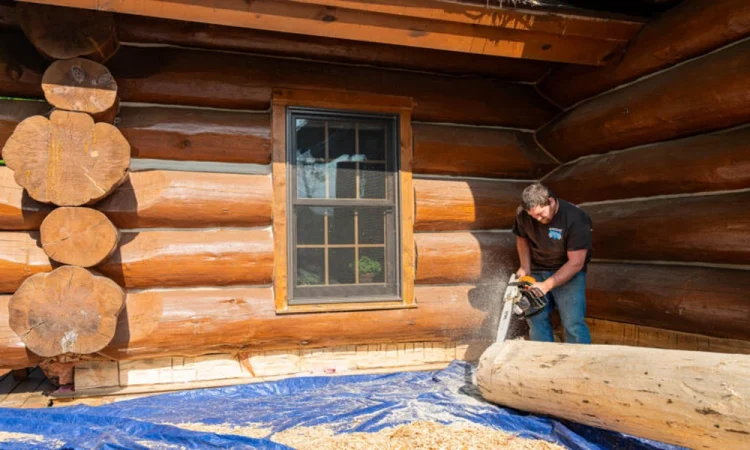
The first significant step is preparation, which involves clearing the area and treating logs. This often means removing old finishes and cleaning surfaces thoroughly. After that, any damaged wood must be replaced or filled. With structural concerns addressed, it’s time for sealing and applying protective coatings.
- Conduct a thorough inspection.
- Prepare logs by cleaning and removing old finishes.
- Replace or fill any damaged wood.
- Seal joints to prevent water ingress.
- Apply finishes for protection against the elements.
Completing each of these steps is vital for achieving a successful restoration. Clients often discover that attending to these details makes a significant difference.
Choosing Between DIY Approaches and Professional Help
Choosing between a DIY strategy and hiring professionals often presents a dilemma. On one hand, undertaking log cabin repairs independently can be cost-saving. On the other, the expertise that seasoned professionals bring can prevent costly mishaps. Here’s the reality: attempts to repair without adequate experience can result in more extensive damage. Professionals generally offer valuable insights that can dramatically lower long-term risks.
Clients should evaluate their own skills honestly. Do they have experience with log work? Are the proper tools available? Seeking professional assistance doesn’t imply incompetence; rather, it reflects a commitment to quality. Before deciding, consider these factors:
- Availability of tools and materials.
- Familiarity with restoration techniques.
- Time constraints and personal schedules.
Understanding the Timeframe for Restoration Projects
Restoration projects come with their own timelines. Clients often anticipate a quick turnaround, but reality can be different. The timeframe for log cabin restoration depends on several factors: the cabin’s size, the extent of damage, and prevailing weather conditions. Generally speaking, a small restoration may take weeks, while larger projects could stretch into months.
Effective communication with contractors proves essential. Regular updates throughout the process keep everyone aligned. Experts assert that setting realistic expectations leads to more favorable outcomes. Comprehending each phase enables better preparation and reduces surprises along the way.
Essential Maintenance Tips for Lasting Log Cabin Health
Protective Finishes: Which Products Deliver?
Selecting the right finish is paramount for log cabin upkeep. Numerous products available tout unique benefits. Professionals argue that finishes providing UV protection while remaining breathable are often the best choice. Too frequently, cabins face moisture buildup due to improper sealing. Clients generally find success with oil-based finishes, which penetrate deeply and create a fortified barrier against the elements.
Reapplying these finishes on a regular basis extends the lifespan of logs. Timing is essential; late spring or early fall typically offers optimal conditions for application. Inspecting and reapplying finishes every few years yields the best results. Here’s a quick tip: always choose the highest quality products. They may entail a higher initial cost, but the long-term maintenance savings are worth it.
Seasonal Maintenance: Tips for Every Climate
Seasonal changes can greatly affect log cabin upkeep. Maintenance routines will vary significantly based on climate. In colder areas, ice dams may allow moisture to infiltrate logs. In hotter climates, UV rays might dry out the wood. Professionals advise having a consistent seasonal checklist to ensure cabins flourish.
- Inspect sealing and caulking every spring.
- Check for insect infestations in late summer.
- Clear roof gutters and downspouts to prevent moisture buildup in the fall.
Clients discover that adhering to these guidelines keeps log cabins in excellent condition throughout the year, leading to peace of mind.
Rodent Proofing and Pest Control Measures to Consider
Rodents and pests can cause significant issues in log cabins. Preventative strategies against these intruders involve sealing up entry points around windows and doors. Utilizing traps and natural repellents frequently proves effective in discouraging unwelcome visitors. The best approach? Establishing a routine pest prevention program with professional insights.
“An ounce of prevention is worth a pound of cure – especially when it comes to pests.”
Regular inspections can reveal vulnerabilities before infestations occur. It’s usually easier to maintain integrity than to cope with major infestations. Trusting industry experts to recommend appropriate solutions tailored to the cabin’s design and environment makes sense.
Investing in Log Cabin Repairs: Value-Added Benefits
How Proper Restoration Enhances Property Value
Investing in proper restoration brings long-term dividends. Well-maintained cabins command higher market values than those in neglect. Buyers pay close attention to log cabin health; it can significantly influence their decisions. Properties that showcase recent restorations reflect integrity, making them more appealing. Why invest in a property needing substantial repairs?
Experts point out a trend in buyer preferences toward sustainable living and authentic craftsmanship-qualities that log cabins embody. Such restorations often utilize eco-friendly materials and techniques, increasing their marketability. Beyond aesthetics, the perception of care and vitality resonates with potential buyers.
Energy Efficiency Gains from Quality Repairs
Another point worth considering is the boost in energy efficiency from proper repairs. Clients may notice declines in heating and cooling costs following restoration efforts. Sealing gaps, replacing damaged logs, and enhancing insulation can significantly reduce energy expenses. Some might not realize that these enhancements also contribute positively to the cabin’s environmental footprint.
Data suggests that homeowners making comprehensive restorations typically experience notable drops in energy consumption. Keeping the home warm becomes a more affordable endeavor over time. So, investing upfront in quality repairs leads to sustainable savings.
Long-Term Benefits of Regular Log Cabin Maintenance
Regular maintenance serves as the bedrock of log cabin longevity. Clients often underestimate how continuous care translates into long-term equity. Staying ahead of potential issues not only helps avoid significant repairs but also enhances ownership satisfaction. Returning from a weekend getaway to a well-kept cabin amplifies joy and utility, bolstering emotional investment.
By committing to a proactive maintenance schedule, the cabin consistently remains a treasured refuge. Clients frequently find increased enjoyment in their investment when they know they’ve provided it with the care it warrants. In the realm of log cabin repair and restoration, diligence truly yields rewards.
FAQ
What types of wood treatments are recommended for log cabins?
Professionals often suggest using both preservatives and sealants specifically formulated for log homes. These products typically guard against moisture, UV rays, and pests, prolonging the life of logs. Prioritizing high-quality treatments provides long-lasting benefits and maintains log health.
How does climate influence log cabin maintenance?
Climate plays a significant role in log cabin upkeep. Drier regions may lead to wood shrinking and cracking from exposure, whereas wetter climates face challenges from mold and moisture. Adapting maintenance routines to match local weather patterns is essential for preserving cabin integrity.
What tools are essential for DIY log cabin repairs?
A sturdy toolkit for log cabin repairs should encompass moisture meters, saws, sanders, and sealants. Basic carpentry tools like hammers and chisels are also invaluable. Access to specialized tools enables effective repair while upholding high standards.
Are there specific challenges in restoring antique log cabins?
Restoring antique log cabins presents unique challenges, including matching historical materials and techniques. Finding original wood types can be tricky, and preservation specialists often introduce effective strategies for maintaining authenticity. Expert guidance ensures restorations respect history while addressing contemporary concerns.
What common pests threaten log cabins and how to prevent them?
Pests such as termites, carpenter ants, and rodents impose significant threats. Preventative strategies encompass regular inspections, sealing entry points, and utilizing traps. Establishing a pest control plan empowers homeowners to thwart infestations before they inflict irreversible damage.
How frequently should log cabins be inspected?
It’s advisable to conduct regular inspections at least twice a year, with additional evaluations following severe weather. Early detection is crucial; identifying issues early can mitigate extensive damage. Timely assessments aid in maintaining integrity and preserving the property’s value.
What impact does landscaping have on log cabin maintenance?
Landscaping can significantly influence log cabin health, especially regarding drainage and moisture retention. Grading the area around the cabin to draw water away prevents accumulation, while strategic planting may help reduce pest entry. Thoughtful landscaping is vital for maintaining a healthy cabin environment.
Are there eco-friendly options for log cabin repairs?
Yes, eco-friendly solutions are readily available for log cabin repairs. Many companies now provide sustainable wood treatments and non-toxic sealants. Opting for these environmentally friendly materials not only protects nature but also appeals to buyers who prioritize sustainability.
Useful Resources
- Indiana Housing and Community Development Authority
- Preserve Discovery
- National Trust for Historic Preservation
- Log Home Living
- Hamilton Log Homes
- Wood Magazine
- Forest Products Laboratory
- University of Minnesota Extension – Landowner Education