
 0
0
 0
0
Key Takeaways
Immediate water restoration plays a crucial role in determining the level of damage and recovery timeline for homes and businesses. Acting quickly not only prevents mold growth but also cuts down on repair costs; it’s all about timing.
When water damage is delayed, property values can suffer due to structural complications and hidden issues. It’s essential for homeowners to act without hesitation to fend off severe financial repercussions from prolonged moisture exposure.
Every minute counts in water damage scenarios. Prompt responses not only safeguard personal belongings but also enhance the efficiency of the restoration process, ultimately leading to lower total expenses.
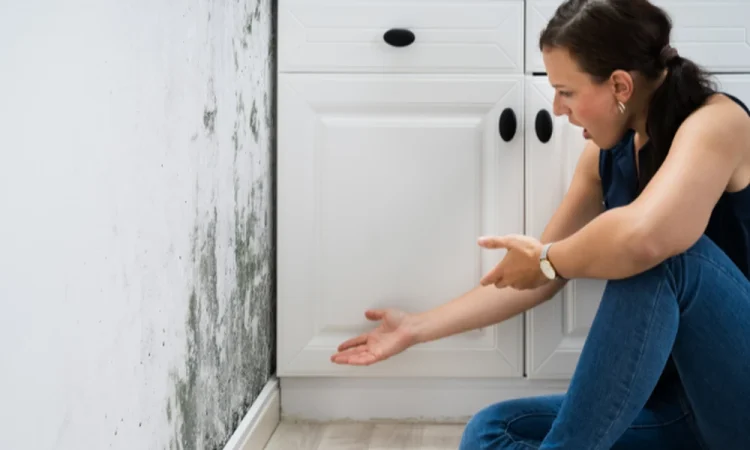
Signs of water damage, such as stains on ceilings, musty smells, and warped floors, should not go unnoticed. Quick recognition of these symptoms is vital to staving off additional damage.
Grasping the water restoration process equips homeowners for the professional evaluations that usually involve inspections and moisture detection. Knowing what’s ahead can help ease any anxiety during these emergencies.
Today’s water restoration industry employs advanced techniques, including water extraction and dehumidification, to restore properties effectively while minimizing health risks associated with ongoing moisture.
When selecting a restoration service, firms with 24/7 availability, skilled technicians, and necessary certifications are worth considering. Researching potential services helps ensure reliable and effective water restoration efforts.
The Critical Importance of Immediate Water Restoration
Dealing with water damage in a property often brings urgency to the forefront. Immediate water restoration can drastically influence both the level of damage sustained and the recovery timeline. Experts agree: every second matters. Delays can result in extensive property degradation, mold proliferation, and soaring costs.
How Delayed Action Affects Property Value
Water damage is infamous for driving down property values. A prompt response can significantly lessen financial fallout. However, when residents choose to delay addressing water incursion, hidden complications often emerge. This can weaken structural integrity and lead to dramatically lowered property assessments.
Take into account these factors that can detract from property value due to water damage:
- Structural Damage: Hidden moisture can create warped frames and jeopardized foundations.
- Mold Growth: Mold can multiply within mere days, leading to health hazards and diminished property appeal.
- Unseen Problems: Extended moisture exposure can wreak havoc on plumbing and electrical infrastructures.
Disregarding water damage only inflates renovation expenses. A property bearing a history of water issues could face substantial losses when sold.
Saving Time and Money: Why Every Minute Counts
Time equates to money. When water levels rise, prompt action can conserve both in the restoration process. Water, particularly in large quantities, can inflict damage almost instantaneously. Once flooding occurs, the destruction amplifies with each passing hour.
Here’s how rapid responses can lead to considerable savings for homeowners:
- Immediate Damage Control: Swift assessments can limit initial damage and facilitate simpler repairs.
- Lower Restoration Costs: The longer the water lingers, the more extensive the cleanup will be, resulting in escalating costs.
- Preserves Personal Belongings: Acting quickly can keep furniture, electronics, and other valuables safe.
In water restoration, speed is absolutely crucial.
Signs Your Property Needs Water Restoration Services
Identifying signs of water damage is vital for ensuring an effective and timely response. It’s all too easy for homeowners to miss subtle cues that indicate significant issues.
Top Indicators of Water Damage Homeowners Shouldn’t Ignore
A range of visible and hidden indicators exists, and being aware can differentiate between minor fixes and major renovations. Here are essential signs to monitor:
- Stains on Walls or Ceilings: Yellow or brown marks often point to moisture intrusion.
- Musty Odors: Persistent unpleasant smells can hint at mold, a direct result of water issues.
- Warped Flooring: Floors that buckle or sag may suggest invisible water accumulation.
Homeowners should keep a watchful eye. These signals frequently demand swift action to avoid further complications.
How to Spot Hidden Moisture Issues in Your Property
Countless issues can lurk beneath the surface and escalate into larger problems later. Here’s how to unveil hidden moisture:
- Check Basements and Crawlspaces: Look for damp areas or standing water.
- Investigate Appliances: Regularly inspect washing machines, dishwashers, and refrigerators for leaks.
- Monitor Water Bills: Unexpected increases can indicate hidden leaks.
Being proactive about moisture-related issues can limit long-term consequences. Identifying them early can mean the difference between minor repair expenses and extensive restoration efforts.
Your Step-by-Step Guide to the Water Restoration Process
The journey to recovery comprises several crucial steps that professionals implement with care. Understanding this process primes homeowners, ensuring they know what lies ahead.
What to Expect During a Professional Assessment
Upon arrival at a property, the specialists’ approach may vary, but expect a systematic examination with any reputable assessment. Homeowners should prepare for:
- Inspection: An extensive evaluation covering visible and hidden damage.
- Moisture Detection: Professionals use specialized tools to gauge moisture levels.
- Damage Evaluation: This involves estimating required repairs and their associated costs.
Through careful scrutiny, professionals can formulate a restoration plan tailored to the specific circumstances. Trusting the experts typically leads to the best results.
Key Techniques Used in Modern Water Restoration
With a solid grip on water damage complexities, restoration professionals utilize various advanced techniques. As industry standards and technologies advance, these methods evolve too. Notable techniques include:
- Water Extraction: This process utilizes powerful pumps and vacuums for efficient removal of standing water.
- Dehumidification: Machines work to reduce humidity to manageable levels, crucial in preventing mold growth.
- Cleaning and Sanitization: A thorough cleaning regimen prepares structures for safe occupancy.
These approaches don’t just restore properties but also help mitigate health risks associated with existing moisture and contaminants.
Choosing the Right Restoration Service in Oak Harbor
Choosing a restoration service involves more than simply checking availability. It’s about locating a company that combines expertise with reliability.
What Sets the Best Experts Apart in Emergency Responses?
Experience and professionalism are fundamental to successful water restoration in Oak Harbor. When choosing a service, homeowners should evaluate the following criteria:
- 24/7 Availability: Water emergencies can arise at any moment; having immediate access to support is critical.
- Experienced Technicians: Skilled staff provide specialized attention throughout the restoration efforts.
- Client Testimonials: Reviews from previous clients can offer valuable insights into service quality and reliability.
Finding a service that exceeds expectations may take some research. Yet the benefits are well worth it: peace of mind during a challenging time.
Understanding Certifications and Credentials You Can Trust
Accreditations in water restoration are significant. Licensed professionals exemplify adherence to industry standards and safety protocols.
- IICRC Certification: Recognizes expertise in restoration science and relevant equipment.
- State Licensing: Confirms compliance with local guidelines.
- Insurance Affiliations: Strong relationships with insurance companies can streamline claims handling.
It’s prudent for homeowners to inquire about credentials when looking for restoration services. This diligence could protect against future mishaps or insufficient repairs.
FAQ
What are the long-term health risks associated with water damage?
Water damage often leads to mold growth, resulting in serious health complications such as respiratory problems, allergies, and skin irritations. Continual exposure to damp environments may worsen asthma and other pre-existing conditions, so swift action is crucial for maintaining health standards.
How can homeowners prepare for potential water damage before it occurs?
Taking proactive measures can save homeowners considerable stress later. Regular upkeep of roofs, gutters, and plumbing systems, along with installing sump pumps and consistently checking for leaks, can drastically diminish the likelihood of water damage arising in the first place.
What should be included in a homeowner’s emergency water restoration plan?
A well-crafted emergency plan should include a comprehensive checklist with restoration service contacts, insurance details, and a list of valuable items. Familiarity with the locations of critical valves and shut-off points can significantly streamline response efforts during an incident.
Are there any DIY methods for immediate water damage mitigation?
While major water restoration tasks should be left to professionals, homeowners can implement some immediate measures. Simple tasks like relocating valuables to higher ground, using towels to blot wet areas, and deploying fans to circulate air can provide temporary respite until help arrives.
What types of insurance typically cover water damage restoration?
Most homeowners’ insurance policies cover sudden and accidental water damage, though specifics may differ. Coverage for damages resulting from a lack of maintenance or flooding might not be included, making it essential to review policies with an insurance agent for a clear understanding of what’s protected.
How often should homeowners inspect their properties for signs of water damage?
Regular inspections are vital; professionals generally recommend assessing properties at least twice a year. More frequent checks in high-risk areas like basements or near appliances can help prevent minor issues from escalating into major damage.
What specialized equipment do professionals use during the restoration process?
Restoration teams employ advanced tools like thermal imaging cameras for moisture detection, industrial dehumidifiers, and high-powered water extractors. This specialized equipment is essential for thorough restoration, significantly reducing future complications linked to residual moisture.
How do restoration companies handle the emotional stress of water damage for homeowners?
Restoration teams understand the emotional toll that water damage situations can have. They often maintain clear communication throughout the process, helping homeowners to feel more informed and secure, while prioritizing timely and effective restoration efforts.
Useful Resources
- Institute of Inspection, Cleaning and Restoration Certification (IICRC)
- American Red Cross
- U.S. Environmental Protection Agency (EPA) – Mold
- Federal Emergency Management Agency (FEMA)
- International Association of Certified Home Inspectors (InterNACHI)
- National Center for Biotechnology Information (NCBI) – Health Risks of Water Damage
- NSF International – Water Safety
- Home Advisor – Water Damage Restoration Guide
- Owned – Home Maintenance Tips and Guides