
 0
0
 0
0
A new household gas connection involves more than bringing a supply towards the property. Anyone searching connect gas to house is usually looking for a clear view of the work sequence and pipe arrangement. The main concern is knowing which work belongs to the network operator and which work belongs to a licensed gasfitter. A planned approach also helps avoid delays caused by poor site readiness or unclear responsibilities. Australian Gas Networks describes the process as separate stages involving availability checks, connection work, meter installation, and appliance setup.
Start with A Clear Property Assessment
Guesswork can create confusion when several parties handle different parts of the work. A property assessment gives each person a clearer starting point and helps identify practical requirements before physical work begins. Australian Gas Networks notes that gas availability should be checked before requesting a connection.
Important Points
• Confirm gas availability before making connection arrangements for your property.
• Identify a suitable meter position with clear and practical access.
• Discuss appliance locations with your licensed gasfitter before work starts.
• Keep the planned work area clear for scheduled installation activities.
A clear assessment gives the remaining stages a more organised starting point.
Separate Network Work from Household Pipework
The connection has distinct sections that should not be treated as one task. Network work generally covers the service connection between the gas main and meter position. Household pipework then runs from the meter towards appliances. These responsibilities involve different parties.
Match Pipe Routes with Appliance Positions
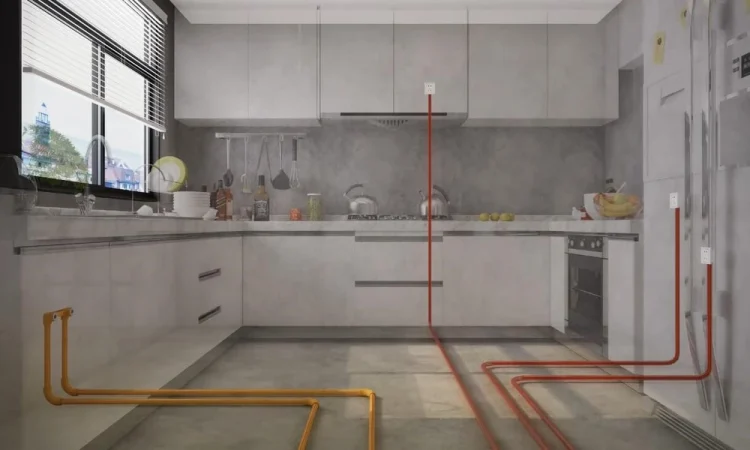
Appliance locations should be considered before the internal route is settled. The gasfitter can assess the required pipework based on the planned arrangement and equipment being installed. Appliance details can also help determine suitable meter capacity during connection planning.
Main Considerations
• Note each planned appliance position before internal piping decisions are made.
• Allow the installer to assess suitable pipe routes throughout the property.
• Keep meter placement aligned with practical appliance connection requirements.
• Discuss changes before installation rather than altering completed pipework.
Short planning conversations can prevent avoidable changes during later installation stages.
Confirm Meter Placement Before Installation
The meter position influences the route between the incoming supply and household equipment. Australian Gas Networks states that meters are usually positioned near the front boundary for convenient reading. However, the exact location depends on individual property factors.
A suitable position needs practical access and enough room for the equipment. When connect gas to house, planning reaches the meter stage; confirming this point early can help coordinate later pipework. The service line must reach the designated meter location before the meter can be installed.
Check Site Readiness Before Scheduling Work
Site conditions can affect the timing of connection activities. A clear property entrance and prepared meter position make it easier for contractors to complete their assigned work. Some connection processes include a site readiness assessment before scheduling the service line.
Helpful Approaches
• Check supply availability before committing to installation arrangements.
• Select a licensed gasfitter early for household pipework requirements.
• Confirm the meter position before finalising internal piping plans.
• Coordinate meter installation after the service line reaches its position.
• Arrange appliance commissioning after required connections are completed.
Following the stages in order keeps responsibilities easier to track.
Maintain Consistent Project Checks
Good preparation does not end when the initial request is submitted. Property owners can review the agreed meter position and confirm that access remains available. They can also keep communication clear with the chosen gasfitter as installation progresses.
Testing and commissioning belong with qualified professionals. Once the service line and meter are installed, the gasfitter completes the outlet connections and commissions installed appliances. Required compliance documentation should also be provided by the installer.
Frequently Asked Questions
· Who installs household pipework after the meter is fitted? A licensed gasfitter installs the household pipework and appliance connections.
· When should the meter installation usually be arranged? The service line should be installed before meter installation occurs.
· Who handles work involving the gas main? The network operator handles work involving the gas main.
· Why does appliance information matter during connection planning? Appliance details can help determine suitable meter size requirements.
· What confirms completed gas installation compliance? The licensed gasfitter provides the required compliance documentation.
A Clear Plan Supports Better Installation
Pipework planning works best when responsibilities and installation stages remain clearly separated. Begin by checking supply availability and confirming the meter position. Arrange qualified household work for connections beyond the meter. Keep the property prepared throughout each stage.