

 0
0
 0
0
For many people, the idea of donating plasma may feel unfamiliar or even intimidating. Unlike traditional blood donations, plasma donation involves a more specialized process, but it offers a unique opportunity to make a tangible difference in the lives of patients who rely on plasma-derived therapies. For a first time plasma donor, understanding what to expect can ease nerves, provide confidence, and highlight the profound impact of this generous act.
Plasma, the liquid portion of blood, carries essential proteins, antibodies, and other components critical for treating a wide range of medical conditions. Plasma is used in therapies for immune deficiencies, bleeding disorders, and other life-threatening conditions. Unlike whole blood, plasma can be collected through a process called plasmapheresis, where blood is drawn, plasma is separated, and the remaining components are returned to the donor. This means donors can contribute more frequently than with whole blood, offering a continuous resource to patients in need.
Preparing for Your First Donation
For a first time plasma donor, preparation is key. Donors are encouraged to eat a healthy meal, stay hydrated, and avoid alcohol or strenuous exercise prior to donation. This ensures the body is ready for the procedure and reduces the likelihood of side effects such as dizziness or fatigue. Understanding the eligibility criteria is also essential. Factors such as age, weight, and overall health are assessed to ensure a safe donation experience for both the donor and the recipient.
When arriving at a plasma donation center, first-time donors will undergo a health screening, including a brief medical history review, a physical check, and a blood test to confirm hemoglobin levels. Staff members guide donors through every step, answering questions and explaining the process in detail. This support helps first-time donors feel more comfortable and prepared, transforming what might feel like a daunting task into a manageable and empowering experience.
The Donation Process
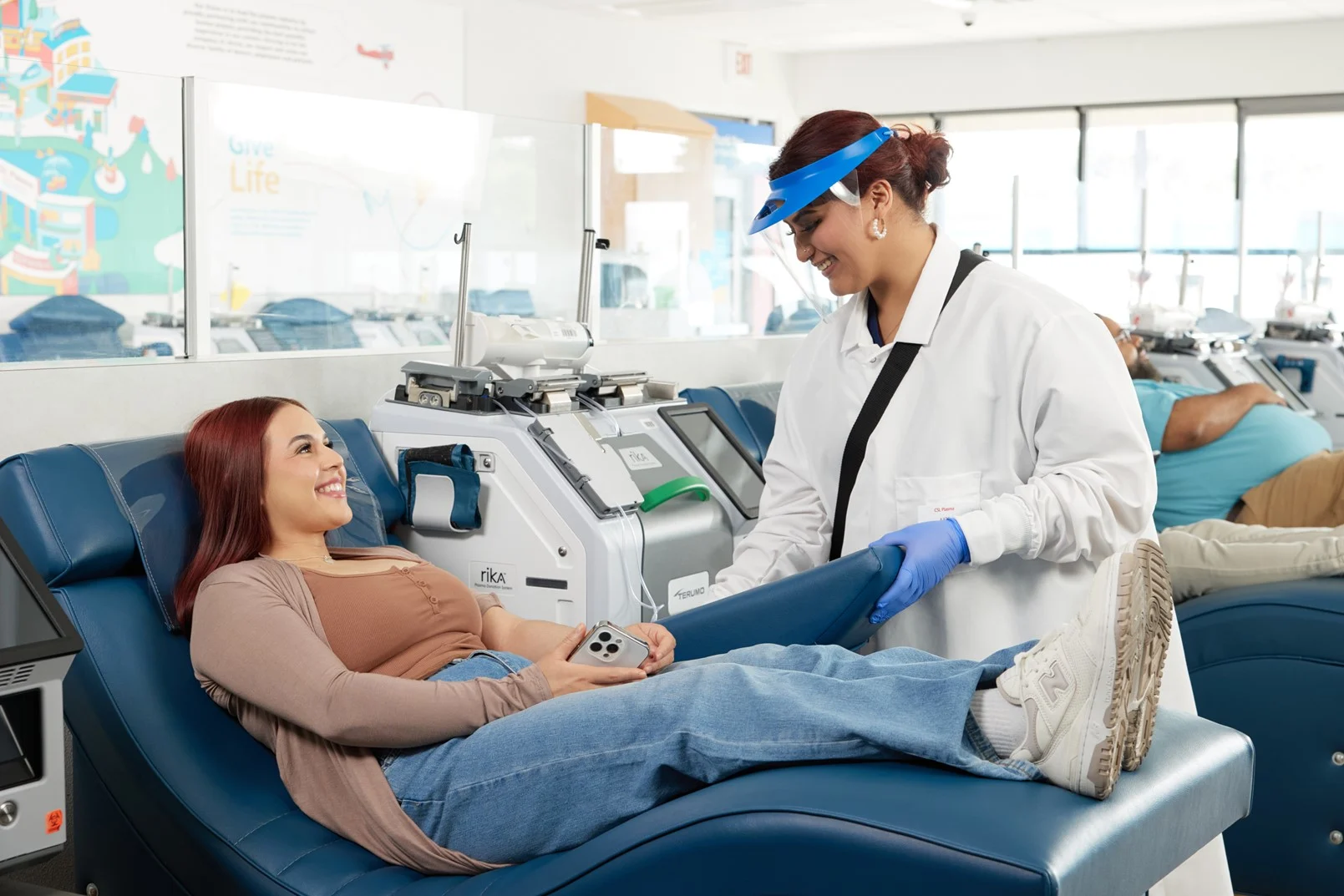
During the donation, a needle is inserted into a vein, and blood is drawn into a machine that separates plasma from other components. The remaining blood, including red blood cells, is returned to the donor, usually within an hour. Many centers provide comfortable seating, entertainment options, and a friendly environment to make the process as pleasant as possible.
It is normal for a first time plasma donor to experience some mild sensations, such as a brief pinch when the needle is inserted or a slight feeling of fatigue afterward. These effects are generally temporary and manageable. Following donation, donors are encouraged to rest briefly, hydrate, and enjoy a light snack provided by the center. These simple steps help the body recover quickly and reinforce positive habits for future donations.
The Benefits of Plasma Donation
Beyond the profound impact on patients, donating plasma offers several personal benefits. Regular donors often report a sense of fulfillment and pride from knowing their contribution saves lives. For first-time donors, this emotional reward can be especially powerful, creating a lasting motivation to continue giving.
Plasma donation also allows the body to replenish itself naturally. Because red blood cells are returned during the process, donors are less likely to experience the fatigue associated with whole blood donation. Frequent donations, within the recommended guidelines, can help donors develop a routine of health-conscious habits, including proper hydration, balanced nutrition, and attention to overall well-being.
Common Concerns for First-Time Donors
Many first-time plasma donors have questions or concerns about safety, pain, and eligibility. It is important to understand that donation centers adhere to strict safety protocols, including sterile equipment, trained medical staff, and regulated collection procedures. Most donors find the experience safe, straightforward, and surprisingly comfortable once they understand what to expect.
Some individuals worry about potential side effects, such as lightheadedness or bruising. While these effects can occur, they are generally minor and temporary. Donation centers provide guidance on recovery, including recommendations for rest, hydration, and avoiding strenuous activity for the rest of the day. By following these simple guidelines, first-time donors can enjoy a safe and positive experience.
Stories That Inspire
Hearing stories from other donors can also help first-time plasma donors feel at ease. Many regular donors describe the process as empowering and life-affirming, highlighting the direct connection between their donation and the patients who benefit. Hospitals and treatment centers rely on plasma-derived therapies for countless medical conditions, meaning that every donation has the potential to make a significant impact.
One powerful aspect of plasma donation is its immediate and tangible benefit. Unlike some forms of volunteering, which may take weeks or months to see results, plasma donation contributes directly to life-saving treatments. For a first time plasma donor, understanding this direct impact can transform anxiety into motivation, emphasizing that their contribution matters in a very real way.
Building a Habit of Giving
For those who find satisfaction in their first donation, returning regularly can create a meaningful habit of giving. Plasma can be donated more frequently than whole blood, typically every 28 days, allowing donors to make a continuous difference in the lives of patients. Many centers offer incentives, educational resources, and supportive staff to encourage ongoing participation and foster a welcoming community for donors.
Regular plasma donors often report improvements in their understanding of personal health. Routine screenings and health checks at donation centers provide insight into hemoglobin levels, blood pressure, and general well-being, making the donation experience informative as well as altruistic. For a first time plasma donor, this dual benefit of helping others while monitoring personal health adds an extra layer of motivation.
Conclusion
Becoming a first time plasma donor is a step into a world of meaningful contribution, health awareness, and personal growth. The process, while initially unfamiliar, is guided by trained professionals who prioritize safety, comfort, and education. Plasma donation provides life-saving therapies for patients, while offering donors a unique sense of fulfillment and purpose. For anyone considering taking this step, understanding the process, preparing properly, and embracing the experience can transform nervous anticipation into a confident and empowering journey of giving.