
 0
0
 0
0
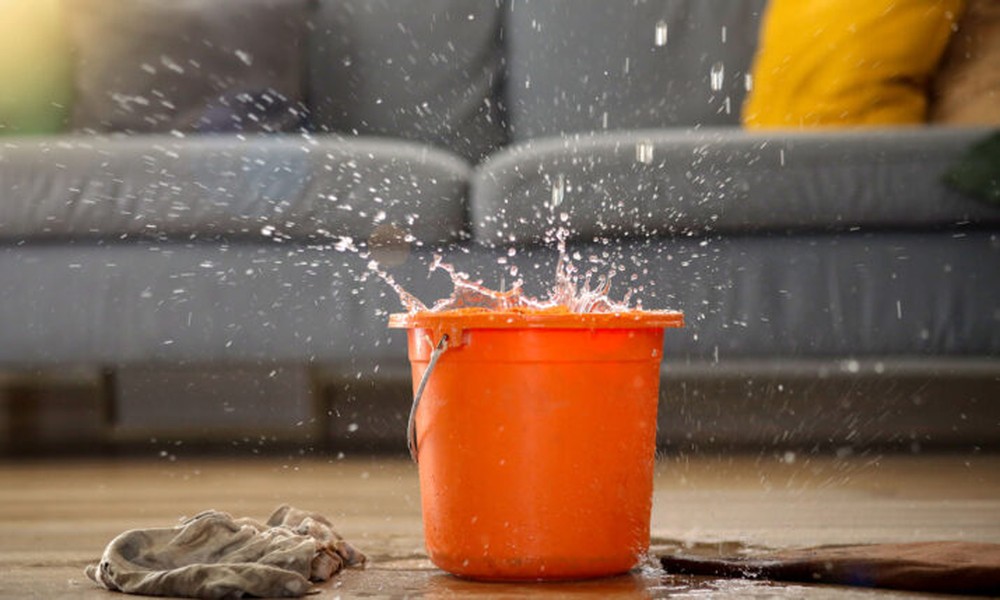
Water has a strange way of turning from something ordinary into something destructive. One small leak under a sink, a clogged drain left unnoticed, or an appliance that fails at the wrong moment can quickly change the feeling of a home. Floors buckle, walls darken, and the air itself starts to feel heavy. In those moments, water damage restoration is not just about drying things out, it is about returning a space to safety and normalcy.
This article takes a closer look at water damage restoration, what it involves, why timing matters so much, and how homeowners can better understand the process when the unexpected happens.
Understanding Water Damage Beyond the Obvious
What Water Damage Really Means
Water damage is not limited to what you can see on the surface. While standing water and visible stains are alarming, the real risk often hides behind walls, under flooring, and inside insulation. Moisture can travel quickly through building materials, spreading far beyond the original source.
Left untreated, this hidden moisture can weaken structures, encourage mold growth, and create long-term problems that cost far more to repair later.
Common Causes of Water Damage
Water damage can come from many everyday sources. Burst pipes, leaky roofs, malfunctioning appliances, and plumbing backups are some of the most common culprits. Even slow leaks that drip over weeks or months can cause serious damage if ignored.
Natural events can also play a role, but many cases of water damage start quietly and without warning.
Why Immediate Action Matters
Time as the Biggest Factor
When it comes to water damage, time is the most critical factor. The longer water sits, the deeper it penetrates materials like drywall, wood, and subflooring. Within hours, damage can begin to spread. Within days, mold may start to grow.
Quick response limits the extent of damage and reduces the scope of restoration needed.
Preventing Secondary Damage
Secondary damage includes mold growth, structural weakening, and lingering odors. These issues often cause more frustration than the initial water event itself. Prompt restoration focuses on preventing these secondary problems before they take hold.
The Water Damage Restoration Process Explained
Initial Assessment and Inspection
The restoration process begins with a thorough assessment. Professionals evaluate the source of the water, the extent of the damage, and the types of materials affected. Moisture meters and thermal imaging tools help identify hidden moisture that might otherwise be missed.
This step sets the foundation for an effective restoration plan.
Water Extraction and Removal
Removing standing water is the next priority. Specialized pumps and vacuums are used to extract water efficiently. The faster this step is completed, the better the outcome tends to be.
Even after visible water is removed, moisture remains within materials, which is why extraction alone is not enough.
Drying and Dehumidification
Industrial air movers and dehumidifiers are used to dry affected areas thoroughly. This stage can take several days, depending on the severity of the damage and the materials involved.
Proper drying is essential to prevent mold and to ensure that repairs made later will last.
Cleaning and Sanitizing
Water damage often brings contaminants with it, especially if the source involves plumbing backups or appliances. Cleaning and sanitizing surfaces helps eliminate bacteria, odors, and potential health risks.
This step also prepares the space for repairs and reconstruction.
Repairs and Restoration
The final stage involves repairing or replacing damaged materials. This might include drywall, flooring, insulation, or cabinetry. The goal is not just to fix what broke, but to restore the space so it feels normal again.
A successful restoration leaves little trace that damage ever occurred.
Categories of Water and Why They Matter
Clean Water Situations
Clean water comes from sources like broken supply lines or rainwater intrusion. While still damaging, clean water presents fewer health risks when addressed quickly.
Even clean water can become contaminated if left untreated for too long.
Gray Water Concerns
Gray water includes water from appliances, sinks, or washing machines. It may contain chemicals or organic matter and requires more careful handling during cleanup.
Black Water Hazards
Black water is highly contaminated and can come from sewage backups or flooding that mixes with waste. Restoration involving black water requires strict safety protocols and thorough sanitation.
Understanding these categories helps explain why restoration approaches vary.
The Human Impact of Water Damage
Stress and Disruption
Water damage is more than a property issue, it is a personal one. Homes are places of comfort and routine, and when that environment is disrupted, stress often follows. Uncertainty about repairs, insurance, and timelines adds to the emotional toll.
Restoration professionals often play a quiet role in easing this stress by providing clarity and structure during a chaotic time.
Temporary Displacement and Inconvenience
Depending on the extent of the damage, families may need to adjust their routines or temporarily relocate. Clear communication and realistic timelines help set expectations and reduce frustration.
Mold and Water Damage Are Closely Linked
How Mold Develops
Mold thrives in damp environments. When water damage is not fully dried, mold spores that already exist in the air can settle and begin to grow. This can happen within 24 to 48 hours under the right conditions.
Once mold establishes itself, remediation becomes more complex and costly.
Why Prevention Is Better Than Removal
Preventing mold through proper drying is far easier than removing it later. Restoration efforts focus heavily on moisture control to avoid creating conditions where mold can flourish.
Choosing the Right Restoration Help
What to Look For in a Restoration Provider
Experience, proper equipment, and clear communication are key factors. A good restoration provider explains each step of the process and answers questions honestly.
Certifications and adherence to industry standards also matter, especially when dealing with contaminated water.
Avoiding Quick Fixes
Drying a surface does not mean the problem is solved. Moisture trapped behind walls or under floors can cause issues long after repairs appear complete.
Thorough restoration looks beyond appearances to address the root of the problem.
Insurance and Documentation
Understanding Coverage Basics
Water damage coverage varies depending on the cause. Sudden events like burst pipes are often covered, while gradual leaks may not be. Knowing what your policy includes helps avoid surprises.
Importance of Documentation
Photos, written records, and professional assessments support insurance claims. Restoration teams often assist with documentation to help streamline the process.
Clear records protect homeowners during what can be a complicated claims process.
Long-Term Prevention Strategies
Routine Maintenance
Regular inspections of plumbing, appliances, and roofing help catch small issues before they escalate. Replacing worn hoses and addressing minor leaks promptly reduces risk.
Monitoring Moisture-Prone Areas
Basements, bathrooms, and kitchens are common trouble spots. Paying attention to changes in smell, humidity, or appearance can provide early warning signs.
Simple tools like moisture alarms can also add an extra layer of protection.
A Practical Example of Localized Restoration Needs
Someone searching for water restoration in Oak Harbor may be dealing with anything from a leaking appliance to unexpected water intrusion. While every situation is different, the principles of effective restoration remain the same. Act quickly, dry thoroughly, and repair with care.
Understanding these fundamentals helps homeowners make informed decisions when facing water damage.
Why Professional Restoration Makes a Difference
Expertise and Equipment
Professional restoration teams bring specialized equipment and training that go beyond household tools. This allows them to detect hidden moisture and dry structures properly.
That expertise often saves time and reduces the likelihood of future problems.
Peace of Mind
Knowing that the restoration process is being handled correctly allows homeowners to focus on moving forward. Confidence in the work being done is an often overlooked benefit.
Final Thoughts on Water Damage Restoration
Water damage can feel overwhelming, especially when it disrupts the place meant to feel safest. Restoration is about more than repairing materials, it is about restoring comfort, safety, and a sense of normalcy.
By understanding how water damage happens and how restoration works, homeowners are better prepared to respond calmly and effectively. With the right approach and timely action, even significant water damage can become a chapter that ends with a home brought back to life.