
 0
0
 0
0
Why Outdoor Spaces Matter More in Commercial Environments Than Ever
Commercial properties are judged long before anyone steps inside the building. The exterior, especially the landscaping, creates the first impression for clients, employees, and visitors. A well-maintained outdoor space signals professionalism, attention to detail, and pride in the property.
This is why commercial landscaping has become a strategic investment rather than just a maintenance task. Businesses are realizing that outdoor environments influence perception just as much as interior design. Clean walkways, healthy turf, and thoughtful planting all contribute to a positive image.
Beyond appearance, landscaping also plays a role in functionality. Proper design can improve safety, manage water flow, and create more usable outdoor areas. These practical benefits make landscaping a key part of overall property management.
The Connection Between Appearance and Business Perception
When someone approaches a commercial property, they form opinions quickly. Overgrown grass, patchy lawns, or unkempt shrubs can create a negative impression before a conversation even begins. This subconscious reaction can influence how people view the business as a whole.
On the other hand, a well-maintained landscape creates a sense of order and reliability. It suggests that the business pays attention to details and values quality. These impressions can have a real impact on client trust and employee morale.
This is why many organizations invest in ongoing landscaping programs. They understand that consistency matters just as much as initial design. Regular care helps maintain that professional image throughout the year.
What Commercial Landscape and Lawn Care Services Actually Include
Commercial landscaping is more than just mowing grass or trimming hedges. It involves a combination of design, maintenance, and long-term planning. Each element works together to create a cohesive and functional outdoor environment.
Services typically include lawn care, irrigation management, seasonal planting, and hardscape maintenance. Depending on the property, additional services like snow removal or pest control may also be included. The goal is to keep the entire exterior environment safe, attractive, and functional.
Professional providers often tailor their services to the specific needs of each property. A corporate campus, for example, may require a different approach than a retail center. This customization ensures that resources are used efficiently and effectively.
Core Maintenance Services That Keep Properties Healthy
Routine maintenance is the foundation of commercial landscaping. This includes mowing, edging, fertilization, and weed control. These tasks may seem simple, but they require consistency and expertise to achieve the best results.
Irrigation management is another critical component. Proper watering schedules help maintain healthy turf and plant life while conserving water. Poor irrigation can lead to dry patches or overwatering, both of which damage the landscape over time.
Seasonal care also plays an important role. Different times of year require different treatments, from aeration in the spring to leaf removal in the fall. These adjustments help keep the landscape in balance throughout changing conditions.
The Role of Design in Commercial Landscaping
While maintenance keeps a landscape healthy, design gives it purpose. Thoughtful landscaping design considers how people move through a space, where they gather, and how they experience the environment. It is both functional and aesthetic.
Good design can also improve safety. Clear pathways, proper lighting, and well-placed greenery help guide movement and reduce hazards. These elements are especially important in high-traffic commercial areas.
Over time, a well-designed landscape can even increase property value. It enhances curb appeal and makes the property more attractive to tenants, customers, and investors. This long-term benefit is one reason design is so important.
Creating Functional and Attractive Outdoor Spaces
Design begins with understanding how the space will be used. Some properties require open areas for foot traffic, while others benefit from more structured layouts. Each design decision should support the intended function of the space.
Plant selection is also a key part of the process. Different plants have different maintenance needs, growth patterns, and visual impacts. Choosing the right combination helps create a balanced and sustainable environment.
Hardscape elements like walkways, retaining walls, and seating areas add structure to the design. These features not only improve usability but also contribute to the overall visual appeal. When combined effectively, they create a cohesive outdoor experience.
Why Professional Expertise Matters in Landscaping
Managing a commercial landscape requires more than basic gardening knowledge. It involves understanding soil conditions, plant health, irrigation systems, and seasonal changes. Professional expertise helps ensure that all these elements work together properly.
Without proper knowledge, even well-intentioned maintenance can lead to problems. Over-fertilization, incorrect pruning, or poor irrigation can damage plants and increase long-term costs. This is why many businesses rely on trained professionals.
Working with an experienced provider also improves efficiency. Tasks are completed correctly the first time, reducing the need for rework. This saves both time and money over the life of the project.
The Value of Consistent Professional Care
Consistency is one of the biggest advantages of professional landscaping services. Regular visits ensure that issues are identified and addressed early. This prevents small problems from turning into larger, more expensive repairs.
Professional teams also follow structured maintenance schedules. This helps maintain a predictable level of quality throughout the year. Property managers can rely on this consistency when planning budgets and operations.
In many cases, businesses choose to work with a dedicated commercial landscape company to manage all aspects of their outdoor spaces. This centralization simplifies communication and ensures that all services are aligned with property goals.
Environmental Benefits of Modern Landscaping Practices
Modern commercial landscaping is increasingly focused on sustainability. Water conservation, native plant selection, and eco-friendly materials are becoming standard practices. These approaches reduce environmental impact while maintaining attractive outdoor spaces.
Sustainable landscaping also helps reduce operational costs. Efficient irrigation systems and low-maintenance plant selections require fewer resources over time. This makes sustainability both an environmental and financial benefit.
Many businesses are now prioritizing green initiatives as part of their overall strategy. Landscaping plays a visible role in these efforts, demonstrating a commitment to environmental responsibility.
Water Efficiency and Sustainable Design Choices
Water management is one of the most important aspects of sustainable landscaping. Smart irrigation systems adjust watering schedules based on weather conditions and soil moisture. This reduces waste and keeps plants healthy.
Choosing drought-resistant plants is another effective strategy. These species require less water and are better suited to varying conditions. They also tend to require less maintenance overall.
Sustainable design often includes grouping plants with similar water needs together. This approach, known as hydrozoning, improves irrigation efficiency. It also helps maintain healthier plant growth over time.
How Landscaping Impacts Employee Experience and Productivity
Landscaping does not just affect visitors, it also influences employees. A well-designed outdoor environment can improve morale, reduce stress, and encourage productivity. Access to green spaces has been linked to better mental well-being.
Outdoor areas can also serve as informal meeting or break spaces. These environments provide employees with a place to recharge during the workday. Even small green areas can have a noticeable impact.
Companies that invest in landscaping often see improved workplace satisfaction. Employees tend to feel more valued when their environment is well cared for. This can contribute to better retention and engagement.
Creating Outdoor Spaces for People, Not Just Appearance
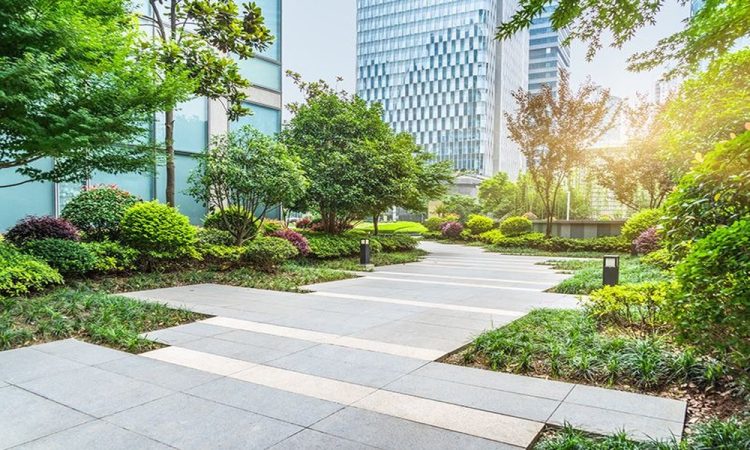
Modern commercial landscapes are increasingly designed with people in mind. This means creating spaces that are both functional and enjoyable. Seating areas, shade structures, and walking paths all contribute to this experience.
These spaces encourage employees to spend more time outdoors. Even short breaks outside can improve focus and reduce fatigue. Over time, this can positively affect overall performance.
Designing with people in mind shifts landscaping from decoration to experience. It becomes part of the workplace culture rather than just the background.
Long-Term Value of Professional Landscaping Investment
Investing in commercial landscaping is not just about immediate appearance. It is about long-term value, both financially and operationally. Well-maintained properties tend to attract higher-quality tenants and customers.
Consistent care also helps prevent costly repairs. Healthy plants and well-managed systems are less likely to fail or require replacement. This reduces unexpected expenses over time.
In many cases, landscaping becomes part of a property’s identity. It contributes to branding and overall perception in a way that few other features can match.
Viewing Landscaping as a Strategic Asset
When treated as a strategic asset, landscaping becomes part of broader business planning. It is no longer an afterthought but a key component of property management. This perspective leads to better decisions and long-term outcomes.
Businesses that prioritize landscaping often see stronger returns on their investment. The combination of aesthetics, functionality, and sustainability creates lasting value. It also supports other operational goals.
Ultimately, commercial landscaping is about more than just maintaining grass and plants. It is about creating environments that support business success in multiple ways.